
One of Ayvalık’s Most Important Historic Sites
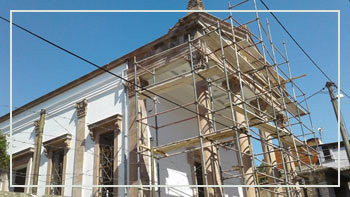
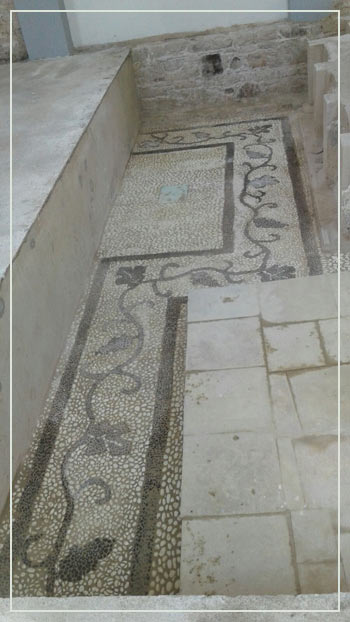
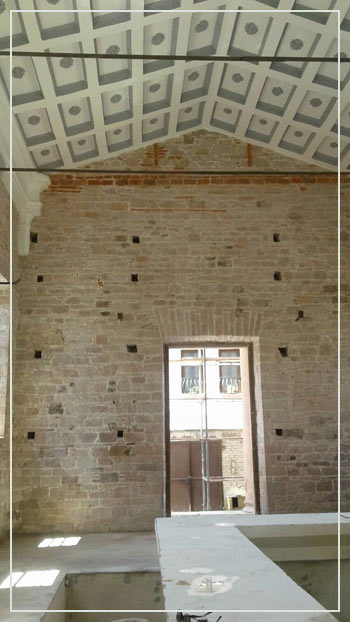
The most famous and important religious structure in the town was Panagia Phaneromeni Ayazması. The icon of Panagia was discovered on June 28, 1852, during excavations carried out following a dream. In 1867, a holy spring sanctuary was built here at the expense of Captain Mihalis Pappazis of Chios. The first sanctuary was dismantled in 1890, and a larger one was built on the same site that year. Panagia Phaneromeni Ayazması remained a dominant part of the town’s religious life until 1920. After 1922, when the region came entirely under Turkish control, it completely lost its former religious function.
Panagia is a name used by Orthodox Christians for the Virgin Mary. In Byzantine and Orthodox iconography, depictions and icons of the Virgin Mary in churches are also called Panagia. Phaneromeni means “revealed,” “reappearing,” or “made visible,” and is therefore an epithet of the Virgin Mary. As its name suggests, this structure was built in honor of the Virgin Mary.
The 1821 Morea uprising, which led to the independence of Greece, also spread to the western coast of Anatolia. As a result, the Greek inhabitants of Ayvalık and Cunda Island joined the rebels and took action in May 1821. A large part of the population left Ayvalık and sought refuge on the islands. Before the Greek War of Independence had ended, the Ottoman government in Istanbul adopted a conciliatory approach toward allowing the dispersed Greek population of Ayvalık to return to their former homes.
An order was issued concerning the pardon of the people of Ayvalık and the resettlement of those who returned. In a letter sent to the Sublime Porte on May 18, 1824, by Mustafa Ağa, the governor of Lesbos, it was stated that the inhabitants of Ayvalık and Cunda Island had been “summoned and resettled.” The Greek population gradually returned and settled in Ayvalık and Cunda Island, and their olive groves were later restored to them.
The return of the Greek population appears to have been completed between 1832 and 1840. Ayvalık had suffered considerable destruction during these turbulent years. As the town revived, its churches and other important buildings were constructed during the second half of the 19th century. Panagia Phaneromeni Ayvalık Ayazması also dates from this period.